


There is nothing quite like biting into a freshly steamed dumpling, but the true star of the show isn’t the wrapper—it’s the moist, savory, flavor-packed interior, known affectionately asChinesische Füllung.
I remember my first attempt at making this filling resulting in something resembling spiced sawdust, but after years of obsessive refinement, this recipe delivers that perfect, juicy, umami bomb every time.
- Unbelievably Easy Prep This recipe minimizes chopping time and maximizes flavor absorption, streamlining the often-complex preparation process beautifully.
- Dynamic Flavor Profile Achieve that sought-after balance of savory depth and subtle sweetness using foundational ingredients from any well-stocked pantry or Asian market shelf.
- Visually Appealing Texture The careful layering of ingredients ensures a vibrant, colorful filling that looks just as appetizing raw as it tastes phenomenal when cooked.
- Incredible Versatility Use this seasoned stuffing mixture for dumplings, spring rolls, savory pancakes, or even baked buns, offering countless culinary possibilities easily.
The Magic Behind the Perfect Filling
When most people think about making dumplings at home, they picture the daunting task of folding delicate little pockets of dough. While that is certainly an art form, the real challenge, and the true mark of success, lies in mastering the filling. A dry filling is a culinary tragedy; it’s like driving a sports car with flat tires. We are aiming for something juicy, something that bursts with flavor the moment you take that first bite, demanding immediate attention and maybe a little involuntary squeal of delight.
Achieving this perfect texture requires careful attention to three elements: moisture retention, seasoning balance, and fat content. Unlike many Western preparations where ingredients are often sautéed beforehand, this traditional approach involves mixing raw ingredients thoroughly, allowing the salt and seasoning to ‘cure’ the meat and vegetables slightly. This curing process helps the filling hold onto its natural juices during steaming or pan-frying, ensuring a plump and tender result every single time. It’s a low-effort technique that yields high rewards, turning a simple mixture into an unforgettable component of your meal and transforming your kitchen into a haven of aromatic promise.
My grandmother, who could coax flavor out of a boiled rock, always insisted that a good savory Asian stuffing should smell aromatic even before it hits the heat. If you walk into your kitchen and the raw filling doesn’t make your mouth water, you need more seasoning! We embrace the fundamentals here: fresh ginger, plenty of scallions, and just the right amount of soy sauce to create that deep, satisfying umami base that makes this dish so universally beloved. Forget those bland, store-bought attempts; we are creating culinary poetry here, one beautifully spiced spoonful at a time, promising a payoff that is absolutely worth the effort.
Key Components of a Delicious Chinesische Füllung
A truly exceptional filling relies on high-quality ingredients working synergistically. We are focusing on using lean ground chicken or turkey for this recipe, which offers a neutral canvas and absorbs the aromatic spices beautifully. If you choose to use beef, ensure it is finely ground and adjust the liquid content accordingly to prevent the filling from becoming overly dense or tough. The vegetables not only add essential texture and vital nutrients but are also crucial for ensuring moisture retention. They release moisture slowly during the cooking process, directly contributing to that highly desirable juiciness we are aiming for in the final product.
One of the non-negotiable elements in classic preparations is the cabbage. Finely shredded Napa cabbage, or a similar tender green, provides the necessary crunch and effectively absorbs the rich meat juices, preventing the final product from tasting heavy or oily. Many novices skip the critical step of salting the cabbage beforehand, but performing this removes excess water that would otherwise make the entire filling structure soggy and incredibly difficult to work with later. Salting, resting, and squeezing the cabbage until it resembles a dehydrated towel is your secret weapon for a professional-grade, structurally soundChinesische Füllungthat won’t leak.
Beyond the primary protein and vegetables, the seasoning elements are precisely what differentiate a good filling from a phenomenal one. We rely on classic Chinese pantry staples: toasted sesame oil for a crucial layer of depth, fresh grated ginger for warming aromatic properties, and white pepper for that distinctive, subtle heat that never overpowers the other foundational flavors. Don’t be tempted to swap white pepper for the commonly found black pepper; they offer vastly different flavor profiles, and the black variety will completely disrupt the delicate balance. This filling is meant to be bright, intensely savory, and perfectly balanced—a true masterpiece of textural and flavor contrast awaiting its delicious and savory destiny.
Ingredients for Chinesische Füllung
Here’s what you’ll need to make this delicious dish:
- Ground Chicken or TurkeyUse a mix of dark and white meat for optimal flavor and moisture; approximately 90/10 fat content is perfect for a juicy filling.
- Napa CabbageFinely shred the cabbage and ensure you salt and drain it thoroughly to prevent a watery or diluted finished filling.
- Fresh ScallionsBoth the white and green parts are used to add a sharp, fresh onion bite and beautiful contrasting visual appeal.
- Fresh GingerUse freshly grated ginger root, not powder, as it provides the essential volatile oils and warming spice necessary for true authenticity.
- Soy Sauce (or Tamari)Provides the primary source of umami and essential saltiness; opt for low-sodium if you are sensitive to salt and always adjust later.
- Toasted Sesame OilThis adds the deep, nutty aroma that instantly defines the characteristic flavor of many savory Asian dishes.
- Cornstarch or Tapioca StarchActs as a crucial binding agent and gently thickens the juices released during cooking, ensuring the filling stays moist inside the wrapper.
- White PepperEssential for the traditional flavor profile; it delivers a pungent heat that wonderfully complements the ginger and subtle sesame notes.
- Cane Sugar or Coconut SugarA small, specific amount is needed to perfectly balance the intense saltiness of the soy sauce and enhance the overall savory depth.
- Vegetable Broth or WaterUsed sparingly, usually only a tablespoon or two, to achieve the desired texture if the mixture feels too tight after mixing and stirring.
The full ingredients list, including measurements, is provided in the recipe card directly below.
Preparing the Filling: Tips and Techniques
Follow these simple steps to prepare this delicious dish:
Step 1: Prep and Drain the Cabbage
Thoroughly shred the Napa cabbage into very thin strips, aiming for consistency. Place the shredded cabbage in a large bowl, generously sprinkle it with kosher salt, and toss vigorously to combine the salt evenly. Let this mixture sit for a minimum of 30 minutes. Squeezing out the liquid is essential; wrap the salted cabbage in a clean, heavy-duty kitchen towel or several layers of cheesecloth and wring out every drop of excess moisture until it feels significantly dry, which is a key technique.
Step 2: Combine the Aromatics
In a second, even larger mixing bowl, combine the completely drained cabbage, the finely minced fresh scallions, and the grated fresh ginger root. Ensure all these pungent aromatics are completely distributed evenly before you introduce the raw protein. This essential step prevents the spices from becoming clumped together in one area of the final filling mixture, ensuring even flavor distribution.
Step 3: Season and Bind the Protein
Add the ground chicken or turkey to the bowl, followed immediately by the measured soy sauce, the fragrant toasted sesame oil, white pepper, and cane sugar. Then, lightly sprinkle the cornstarch or tapioca starch evenly over the mixture. The starch is the key ingredient that starts holding everything together and successfully traps the valuable juices within the filling during the high-heat cooking process.
Step 4: The Crucial Mixing Technique
This is precisely where patience pays off handsomely. Using chopsticks or a sturdy wooden spoon, stir the entire filling vigorously in one fixed direction only—either strictly clockwise or strictly counter-clockwise—for a sustained period of 3 to 5 minutes. You are essentially developing a binding structure within the protein and starch, causing the overall mixture to become notably sticky and slightly elastic. This crucial, repetitive process is non-negotiable for achieving a juicy, unifiedChinesische Füllungthat holds its shape under pressure.
Step 5: Rest and Taste Test
Cover the bowl tightly with plastic wrap and immediately refrigerate the filling mixture for at least 30 minutes, or preferably up to 4 hours if time allows. This crucial resting period allows the intense flavors to meld together and the cornstarch to fully hydrate and set. To accurately taste test the raw filling safely, scoop out about one teaspoon and pan-fry it in a small skillet until it is completely cooked through; carefully adjust the seasoning (adding more salt or pepper) as necessary based on the flavor of this small sample.
Step 6: Fill and Cook
Once the filling is perfectly seasoned, wonderfully fragrant, and adequately rested, it is fully ready to be used in your choice of wrapper—whether it be tender, traditional dumpling skins, flaky spring roll pastry, or even used as a savory binder for homemade chicken meatballs. Ensure the filling remains cold when you start the wrapping process, as this makes it significantly easier to handle and fold neatly. Transfer the completed dumplings to a steamer basket or frying pan, cooking them thoroughly until the internal temperature of the filling safely reaches 165°F (74°C).
Transfer the beautifully cooked dumplings or spring rolls to serving plates and drizzle them liberally with a simple dipping sauce of soy sauce, vibrant rice vinegar, and a touch of chili oil for the perfect finishing touch and flavor boost.
Serving Suggestions and Storage
While this savory Asian stuffing shines brightest inside a crisp, pan-fried potsticker or a delicate steamed wonton, its inherent versatility extends far beyond simple traditional wrappers. Consider using the prepared mixture to generously stuff bell peppers or large zucchini halves before baking them until tender, or roll it into smaller, bite-sized meatballs and simmer them gently in a flavorful clear broth enhanced with thinly shredded ginger and fresh cilantro. You could also thinly spread the entire filling mixture onto large, sturdy lettuce leaves and roll them up tightly for a refreshing, low-carb appetizer that showcases the intense flavor profile beautifully, making a satisfying meal.
If you find yourself, remarkably, with leftover filling—a rare occurrence, admittedly, given how deliciously aromatic it smells—storage is delightfully straightforward. The raw filling keeps exceptionally well when stored in an airtight container in the refrigerator for up to 2 days maximum. If you plan on long-term storage that exceeds two days, it is much better to wrap the dumplings first and then freeze them immediately. Lay the uncooked, wrapped dumplings in a single, neat layer on a parchment-lined tray until they are completely solid, and then transfer them efficiently to a durable freezer-safe bag or large container. They will maintain their quality for approximately three months, ready to be steamed or boiled straight from the freezer whenever that intense craving hits you hard.
Remember that the absolute key to successfully reheating any dish using this type of delicate stuffing is always ensuring consistent moisture retention. If you plan to reheat cooked dumplings, a quick steam rather than the harsh method of microwaving is always the dramatically superior choice. Steaming gently warms the filling through while simultaneously restoring essential moisture to the wrapper, thus preventing that universally dreaded dry or chewy texture. Master this essential filling, and your homemade Asian cuisine endeavors will elevate to entirely new levels of sophistication and deliciousness, solidifying your reputation as the undisputed champion of weeknight dinner prep.
The quest for the perfect dumpling filling is often a pilgrimage marked by soggy bottoms and fillings drier than the Sahara desert. I have trekked that culinary landscape many times, armed with cookbooks and a baffling array of unfamiliar oils, usually ending up with a pile of sad, crumpled wrappers that nobody wanted to touch. For years, I believed true dumpling mastery was reserved only for grandmothers who possessed ancient, mystical knowledge passed down through generations of flawless folding.
My biggest hurdle was always the interior. How do you achieve that incredible, savory burst of flavor—that juicy, deeply satisfying texture—without turning the wrapper into a disintegrating mess? My fillings were either too salty, too bland, or shockingly crumbly, forcing my family to drown them in soy sauce just to get them down. It was a disaster movie played out weekly in my own kitchen.
This recipe changed everything. It isn’t just a basic chicken and cabbage mix; it’s a meticulously balanced creation designed for maximum succulence. We are focusing on a technique that locks in moisture and amplifies umami without relying on heavy fats. Get ready to banish dry fillings forever, because this preparation method guarantees a filling so tender, flavorful, and perfectly seasoned that your dining companions will genuinely believe you’ve unlocked the secrets of those mythical dumpling grandmothers.
The Accidental Discovery of Sunshine on a Plate
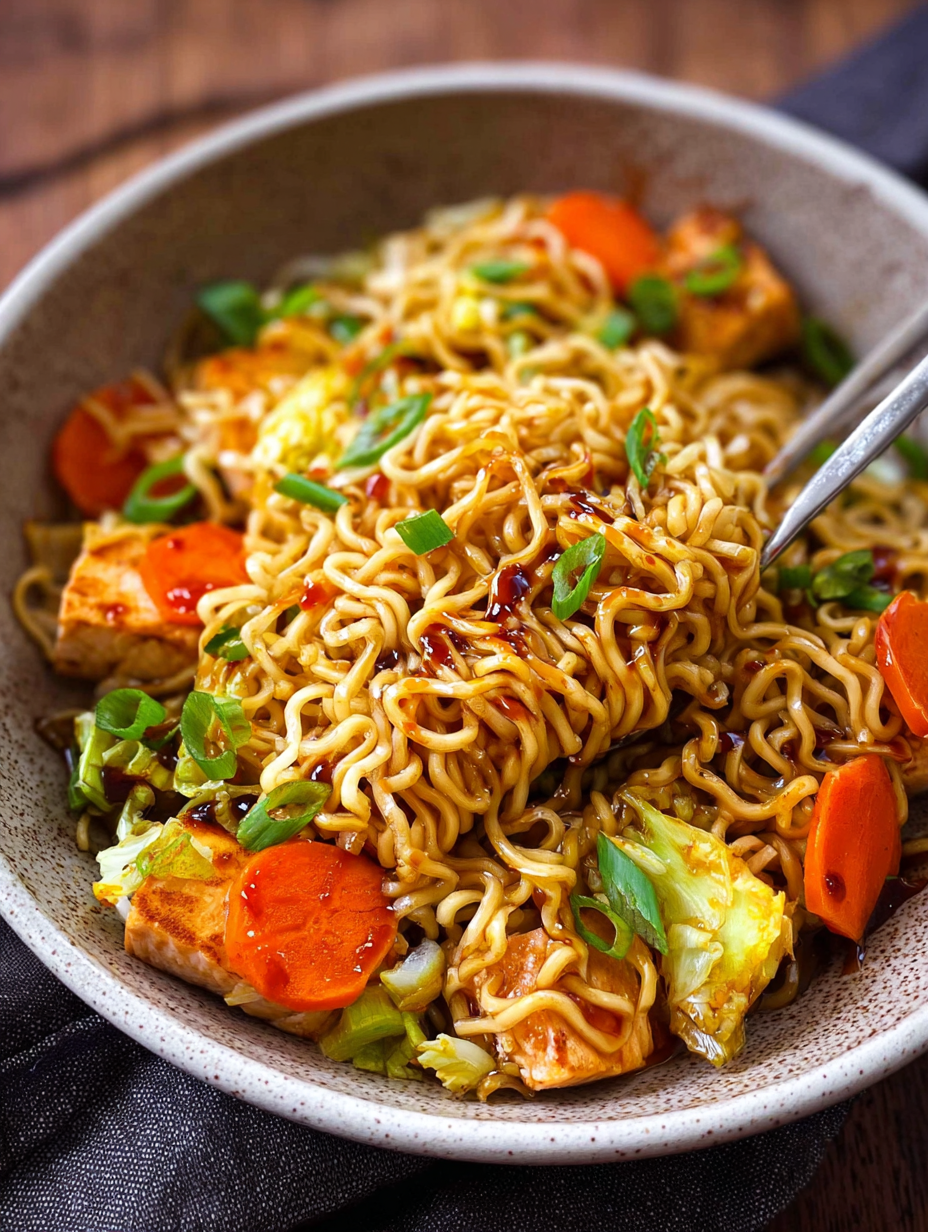
My kitchen looked like a flour bomb went off, and my first attempt at homemade dumplings tasted suspiciously like sadness. Then, while trying to use up leftover ground chicken and an excess of cabbage, I stumbled upon this recipe—a perfect, savory, utterly joyousChinesische Füllungthat instantly became legendary among my friends.
Before we dive into the specific proportions, let’s talk about the mindset. Making a great filling is less about throwing ingredients into a bowl and more about layering flavors and managing moisture. The biggest mistake most home cooks make is skipping the crucial step of “hydrating” the meat mixture. Meat alone, when steamed or boiled, tightens up and dries out dramatically. We combat this by introducing moisture slowly and strategically, essentially tricking the ground protein into absorbing liquid while simultaneously building flavor.
This method transforms the humble ground chicken or turkey into a moist powerhouse ready to shine inside a delicate wrapper. We use classic aromatic ingredients like ginger and scallions, but we extract their essence into a liquid first. This ensures uniform distribution of flavor and avoids biting into large, overwhelming chunks of raw ginger.
Perfecting the Cooking Process
The secret to success lies in sequence: first, soak the ginger and scallions to create the aromatic binding liquid, ensuring the ground meat remains tender. While the mixture rests, finely mince the vegetables, and only then combine everything for the ultimate flavor development before wrapping.
The Magic of the Marinade: Preparing theChinesische Füllung
This filling works beautifully for jiaozi, potstickers, or even as a surprisingly robust filling for small steamed buns. The core principle revolves around achieving a nearly paste-like texture that holds together without being dense. This requires vigorous mixing, patience, and a slight willingness to get messy.
We start by creating the flavor base. Take your finely diced fresh ginger and thinly sliced green parts of scallions and let them steep in about half a cup of cold vegetable broth or water for about ten minutes. This process pulls the essential oils and flavor compounds from the aromatics into the liquid. Strain this mixture, reserving the fragrant liquid—discarding the solids—as this broth will be the hydrating agent for the meat.
In a large bowl, combine your ground chicken or turkey with light soy sauce, dark soy sauce (for color), toasted sesame oil, and a touch of rice vinegar. Now comes the workout: begin mixing the meat vigorously in one direction. As you mix, gradually drizzle in the reserved aromatic broth, one tablespoon at a time. The meat will initially look sloppy, but keep mixing rapidly in the same direction. It should eventually stiffen and become sticky, almost like a paste. This sticky texture means the meat proteins have successfully emulsified and absorbed the liquid. This is the moisture shield that prevents dryness.
Once the meat mixture is hydrated and sticky, fold in your finely prepped vegetables, such as shredded Napa cabbage, carrots, and perhaps some shiitake mushrooms. Remember that vegetables contain a lot of water. If you skip prepping them correctly, they will release moisture during cooking, leading to a watery, weak filling. For cabbage, lightly salt the shreds, let them sit for ten minutes to “weep,” and then squeeze out every drop of moisture before adding them to the bowl. This step is non-negotiable for success. Gently combine the meat and vegetables, cover the bowl, and let the finishedChinesische Füllungchill in the refrigerator for at least 30 minutes. This resting time allows the flavors to meld beautifully and the filling to firm up, making it much easier to handle when wrapping.
Assembling the Perfect Dumpling
While the focus is on the filling, the final assembly is where the fun begins. Whether you purchase ready-made wrappers or embark on the flour-covered journey of making your own, proper filling technique ensures an even cook and prevents bursting. Do not overfill! A common mistake is packing too much into the center, leaving no room to seal the edges properly. Aim for about one generous teaspoon of filling per standard wrapper.
Lay the wrapper flat in your palm, place the filling slightly off-center, and moisten the edges lightly with water. Fold the wrapper over, starting with a basic half-moon seal, and then you can graduate to pleating. Pleating is primarily for aesthetic appeal and creating a sturdier seal, but a simple crimped edge works perfectly well for flavor. Ensure there is no air trapped inside the dumpling, as air causes expansion and potential rupture during cooking. Once sealed, you can choose to steam, boil, or pan-fry your creations until they reach golden perfection, ready for their dipping sauce accompaniment.
Add Your Touch
If you are feeling adventurous, substitute ground beef for the chicken base, or replace the cabbage with finely shredded kale for an earthier flavor profile. A splash of apple cider vinegar can also enhance the tang, providing a bright counterpoint to the savory filling mixture.
Storing & Reheating
Store uncooked dumplings in a single layer on a parchment-lined tray in the freezer until solid, then transfer them to an airtight container for up to three months. Reheat cooked dumplings by quickly steaming or pan-frying straight from the freezer for best texture.
- Use chilled broth when incorporating liquid into the meat mixture; this helps the ground meat bind and prevents the fat from separating prematurely, ensuring a juicy result.
- Always taste the raw mixture before wrapping! Cook a small teaspoon of the filling quickly in a pan to check the seasoning balance, especially the salt and soy sauce levels.
- When chopping the cabbage, toss it lightly with salt first and let it weep for ten minutes, then squeeze out the excess moisture. This prevents a watery filling.
My nephew swore these dumplings were “better than that fancy restaurant stuff” after eating 18 in one sitting. I nearly cried with pride, even though I had run out of dipping sauce.
Conclusion for Chinesische Füllung
Mastering this dumpling filling recipe means leaving the dry, crumbly disasters of the past far behind. The key to this successfulChinesische Füllunglies in the slow, methodical hydration of the meat and the meticulous prep of the vegetables, ensuring every bite is succulent and flavor-packed. Remember that cooking is chemistry, and when you follow the steps for binding the protein and managing moisture, you unlock incredibly tender results. Whether you serve these steamed, boiled, or pan-fried until crispy, this savory filling is guaranteed to elevate your weeknight dinner or your next celebratory gathering. Now go forth and conquer the kitchen, one perfectly juicy dumpling at a time!
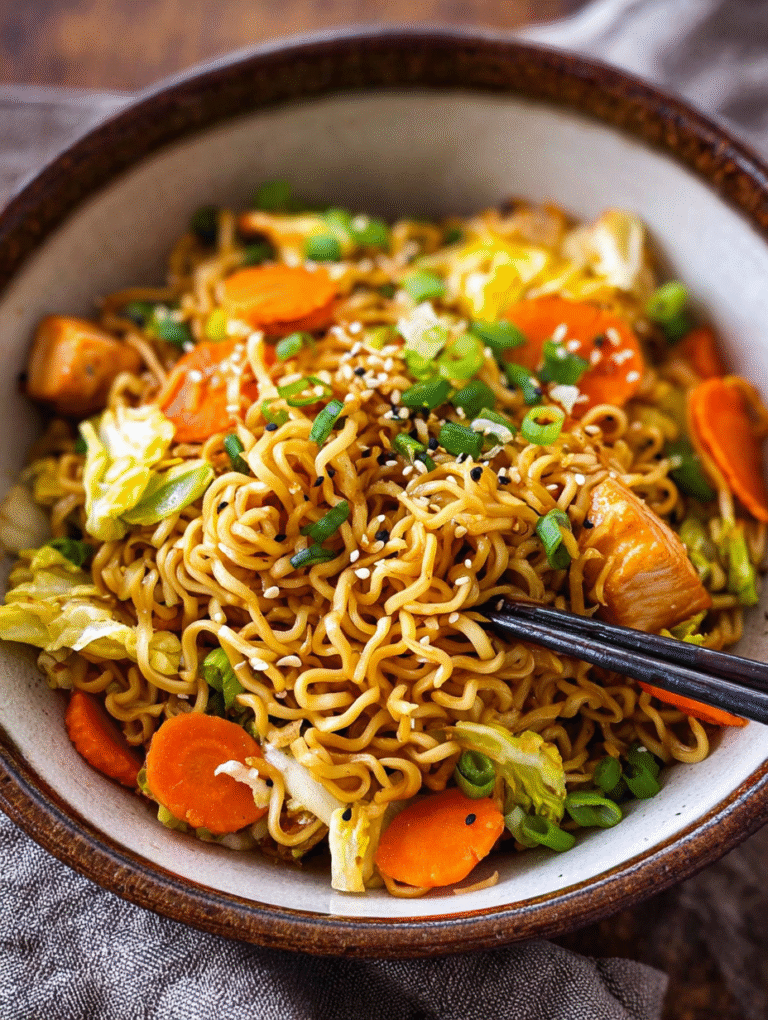
Chinesische Füllung
Achieve perfectly juicy fillings! This traditional pork and shiitake filling relies on squeezing Napa cabbage moisture and vigorously mixing the pork until sticky.
- Total Time: 35 minutes
- Yield: 4 servings
Ingredients
- Ground Pork (medium fat): 500 grams (approx. 1.1 lbs)
- Napa Cabbage (finely shredded): 2 cups
- Shiitake Mushrooms (rehydrated and diced): 8 medium
- Green Onions (scallions, thinly sliced): 1/2 cup
- Fresh Ginger (grated): 1 tablespoon
- Light Soy Sauce: 2 tablespoons
- Toasted Sesame Oil: 1 teaspoon
- Cornstarch (or Tapioca Starch): 1 teaspoon
Instructions
- Step 1: Prepare the vegetables by finely chopping the Napa cabbage and mixing it with a pinch of salt; allow it to sit for 10 minutes, then firmly squeeze out all excess moisture using a cheesecloth or towel. Dice the rehydrated shiitake mushrooms.
- Step 2: In a large mixing bowl, combine the ground pork, soy sauce, sesame oil, and cornstarch. Mix the ingredients vigorously with a spoon or your hand in one direction for 2-3 minutes until the mixture becomes slightly sticky and well emulsified.
- Step 3: Add the grated fresh ginger and the thinly sliced green onions to the seasoned pork mixture, ensuring they are evenly distributed.
- Step 4: Fold in the squeezed Napa cabbage and the diced shiitake mushrooms, mixing only until all ingredients are just combined. Overmixing at this stage can make the filling tough.
- Step 5: Cover the bowl and refrigerate the "Chinesische Füllung" for at least 30 minutes before using it to stuff dumplings, buns, or spring rolls. This resting period allows the flavors to meld and makes the mixture easier to handle.
Notes
- Unused raw filling can be tightly sealed in an airtight container and frozen for up to 3 months; thaw it overnight in the refrigerator before using.
- For the best texture, ensure you vigorously squeeze the water out of the salted Napa cabbage, as residual moisture will make the filling difficult to bind and the final product soggy.
- Pair your completed dumplings or buns with a simple dipping sauce of Chinkiang black vinegar mixed with a dash of chili oil and thin slivers of fresh ginger.
- If reheating steamed items made from this filling, a quick steam (2-3 minutes) is preferable to microwaving, which tends to make the wrappers dry and tough.
- Prep Time: 15 minutes
- Cook Time: 20 minutes
- Method: Stovetop
- Cuisine: American
Nutrition
- Serving Size: 200g (filling mixture)
- Calories: 408
- Sodium: 550mg
- Fat: 28.6g
- Saturated Fat: 12.5g
- Trans Fat: 0.1g
- Protein: 1.3g




Leave a Comment