

Forget those sad, crumbly store-bought discs; biting into a perfectly golden, airy, homemadeBrioche-Burgerbrötchenis pure, buttery bliss and a culinary triumph.
These buttery masterpieces transform a simple weeknight patty into a gourmet experience worthy of the fanciest backyard barbecue gathering imaginable this summer.
There is an undeniable tragedy that unfolds across grilling platforms every single summer: meticulously seasoned, perfectly grilled patties—whether beef, chicken, or plant-based—ruined by a lackluster, mass-produced bun. You’ve put in the time selecting the best ingredients and mastering the sear, only to have the entire operation collapse under the weight of a soggy, flavorless sponge. This culinary oversight is not just common; it’s a crime against deliciousness. But fear not, because the solution is ridiculously simple and incredibly rewarding: bake your own.
Making homemade buns might sound like a task reserved for bread wizards in aprons, but I promise you, theseBrioche-Burgerbrötchenare remarkably forgiving. They offer that stunning, slightly sweet richness and cloud-like texture that separates a good burger from an epic one. Once you experience the unparalleled softness and structural integrity of a homemade brioche bun, you will never look back. The smell alone—warm butter and yeast wafting from your kitchen—is worth the minimal effort.
- The dough is surprisingly cooperative and comes together quickly, requiring minimal specialized equipment for truly impressive results every single time.
- Rich dairy notes combined with a hint of sweetness create a deep, complex flavor profile that complements savory fillings perfectly and beautifully.
- The beautiful golden crust, achieved with a simple egg wash, guarantees a professional, bakery-quality presentation that impresses dinner guests easily.
- These light, slightly sweet rolls are perfect for classic beef patties, pulled chicken, or even decadent turkey sliders, offering great versatility for your menu.
The Quest for the Ultimate Burger Carrier
For years, I believed the patty was the undisputed monarch of the burger kingdom. I focused solely on marinades, specific cuts of beef, and elaborate cheese melting techniques. Then, during a particularly disastrous backyard BBQ session where the buns disintegrated into paste upon contact with a juicy tomato slice, I had my epiphany: the bun is the crucial foundation. It is the architectural support system, the flavor enhancer, and the textural counterpoint that holds the entire glorious mess together. We need a bun that doesn’t just hold the ingredients; we need one that actively improves them.
Traditional brioche, a French pastry known for its high egg and butter content, offers precisely the structure and flavor profile needed. Unlike standard bread dough, the richness of brioche keeps the final product incredibly soft and moisture-resistant, preventing immediate disintegration. However, this richness can be tricky. Too much flour, and your rolls turn into dense hockey pucks. Too little kneading, and they lack the necessary gluten structure to rise high and fluffy. It’s a delicate dance between hydration and development, but luckily, this particular recipe has been engineered for maximum fluffiness and minimum frustration. We use simple whole milk and extra eggs to ensure maximum tenderness and a beautiful yellow crumb inside.
The secret weapon of theBrioche-Burgerbrötchenis cold butter. Incorporating cold, cubed butter slowly allows the fats to fully integrate without heating the dough prematurely, ensuring those delicate, airy pockets develop during proofing. Don’t rush the process; yeast works on its own schedule, and patience is the most important ingredient when dealing with enriched doughs. Giving the dough the time it deserves ensures a final product that is so tender, it practically melts in your mouth—the kind of bun that makes you wonder why you ever settled for anything less.
Ingredients for Brioche-Burgerbrötchen
Here’s what you’ll need to make this delicious dish:
- All-Purpose FlourUse unbleached, quality flour as the primary structural component for the dough.
- Granulated SugarThis feeds the yeast and provides the slight sweetness characteristic of brioche bread.
- Active Dry YeastEssential for leavening, ensuring the buns rise high and become light and airy.
- Whole MilkMust be slightly warm (around 105–115°F) to activate the yeast effectively and add richness.
- Unsalted ButterNeeds to be cold and cut into small cubes to incorporate correctly into the dough.
- Large EggsThese provide essential moisture, color, and richness, making the buns tender rather than chewy.
- Fine Sea SaltCrucial for balancing the flavor and controlling the speed of the yeast’s activity.
- Egg Wash IngredientsOne egg whisked with a splash of milk creates the perfect golden, shiny exterior crust.
- Sesame Seeds (Optional)Used for sprinkling on top just before baking for texture and visual appeal.
The full ingredients list, including measurements, is provided in the recipe card directly below.
The Science of Supreme Softness: Mastering the Brioche Dough
While the ingredients list looks straightforward, the method of combining them is what creates the magic. Brioche dough is an enriched dough, meaning it contains a high ratio of fats (butter and eggs) to flour. This richness inhibits gluten development initially, which is why it requires a bit more kneading than a standard loaf, but this extra effort results in its famously tender crumb. We need to be patient during the mixing phase, allowing the dough to pass through that sticky, chaotic stage into a smooth, elastic masterpiece.
I recommend using a stand mixer with a dough hook for this recipe. While hand kneading is possible, the intense stickiness of the brioche dough can test the limits of your forearm strength and your sanity. Allowing the machine to do the heavy lifting ensures consistent kneading, which is vital for building the necessary gluten structure to hold the butter and eggs. You know the dough is ready when it passes the “windowpane test”—meaning you can stretch a small piece thin enough to see light through it without tearing.
The first rise, or bulk fermentation, should happen in a warm but not hot environment. If your kitchen is cold, try placing the bowl in an oven that has been lightly warmed and then turned off. This controlled warmth encourages the yeast to work steadily without over-fermenting, which can lead to a sour flavor. When the dough has doubled in size, it’s time to gently punch it down—a moment that is deeply satisfying and releases all the hard-earned gases, preparing the dough for shaping and the second rise.
How to Make Brioche-Burgerbrötchen
Follow these simple steps to prepare this delicious dish:
Step 1: Activate the Yeast and Mix the Wet Ingredients
Combine the warm milk, sugar, and yeast in the bowl of a stand mixer. Let this mixture rest for about 5 to 10 minutes until it becomes foamy, indicating the yeast is active and ready to work. Add the eggs and salt to the mixture, whisking gently until they are just combined.
Step 2: Form the Primary Dough Structure
Attach the dough hook and slowly add the flour to the wet ingredients, mixing on low speed until a shaggy dough forms. Increase the speed to medium-low and knead for about 5 minutes until the dough starts to come together into a slightly sticky ball. Scrape down the sides of the bowl as needed to ensure everything incorporates evenly.
Step 3: Incorporate the Cold Butter
Reduce the mixer speed to low. Add the cold, cubed butter one piece at a time, allowing each cube to fully incorporate before adding the next. This process will take 10 to 15 minutes. The dough will look messy and sticky at first, but keep kneading until it pulls away cleanly from the sides of the bowl and looks smooth and shiny.
Step 4: Proof, Divide, and Shape the Burger Rolls
Transfer the dough to a lightly oiled bowl, cover it tightly, and allow it to rise in a warm spot for 90 minutes, or until doubled in size. Gently punch down the dough and divide it into 8 equal pieces (use a scale for precision). Shape each piece into a tight, smooth ball and place them on a baking sheet lined with parchment paper, leaving generous space between them.
Step 5: The Second Proof and Baking Preparation
Cover the shaped buns loosely with plastic wrap or a kitchen towel and allow them to proof for a second time for 45 to 60 minutes, or until puffy. Preheat your oven to 375°F (190°C). Just before baking, gently brush the tops of the rolls with the prepared egg wash and sprinkle with sesame seeds if desired for a classic look.
Step 6: Baking the Brioche-Burgerbrötchen
Bake the rolls for 15 to 18 minutes, rotating the pan halfway through, until they are deep golden brown on top and sound hollow when tapped gently. Remove the buns from the oven and transfer them immediately to a wire rack to cool completely before slicing and using. Transfer to plates and drizzle with sauce for the perfect finishing touch to your incredible burger.
Troubleshooting Common Brioche Challenges
Even seasoned bakers occasionally face a sticky situation when dealing with enriched doughs. The primary complaint with brioche is usually stickiness. If your dough refuses to become smooth after 15 minutes of kneading, resist the urge to dump in half a cup of extra flour. Adding too much flour guarantees a dry, heavy bun. Instead, let the dough rest for 10 minutes—this allows the existing flour to absorb moisture—and then continue kneading. Often, time is the secret ingredient that fixes a sticky mess.
Another common issue involves proofing. If your kitchen is too cool, the yeast will be sluggish. Ensure the warmth is consistent but mild. If you are baking these rolls on a humid day, they might require less proofing time, as humidity accelerates yeast activity. Always trust the visual cues (doubled size, puffiness) over the clock. If the rolls are dense after baking, it usually means they were under-proofed before going into the hot oven, preventing them from achieving their full airy potential. Conversely, if they deflate when touched, they are likely over-proofed and the gluten structure is too weak.
Once baked and completely cooled, these soft brioche rolls can be stored at room temperature in an airtight container for up to three days. For longer storage, they freeze beautifully. Simply slice them before freezing, then wrap them tightly in plastic wrap followed by aluminum foil. When you’re ready for your next gourmet burger night, thaw them overnight and give them a quick toast on the grill for that fresh-baked warmth and slightly crisp edge. Taking the time to master these buns is the ultimate investment in your grilling future.
The Accidental Discovery of Sunshine on a Plate
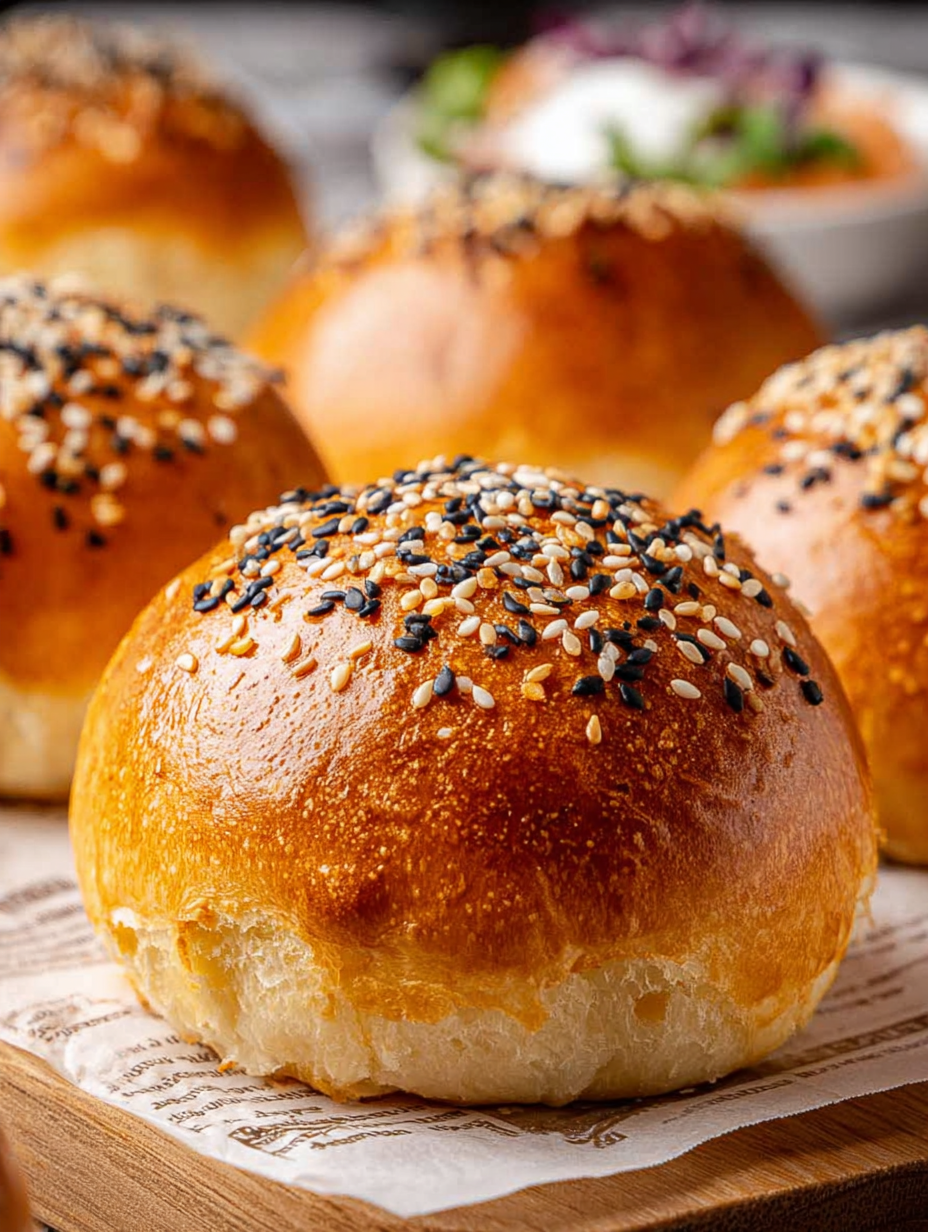
My first attempt at these rolls happened late one rainy Sunday when I desperately needed a pick-me-up. I wasn’t aiming for the perfect burger bun, just something doughy and comforting. When those golden orbs emerged, smelling of buttered heaven, I realized I hadn’t just baked bread; I had accidentally manufactured pure, edible joy.
The Quest for the Ultimate Burger Foundation
If there’s one culinary injustice I cannot tolerate, it is a magnificent, juicy burger served atop a sad, cardboard bun. You know the ones—they either dissolve immediately under the weight of a thick patty or provide the structural integrity of a damp napkin. For years, I struggled, believing that the perfect burger base was a myth reserved for high-end bistros. Then I discovered the glorious world of enriched dough, the kind that makes your kitchen smell like a French bakery and your taste buds sing opera.
Making homemadeBrioche-Burgerbrötchenisn’t just baking; it’s an emotional investment that pays dividends in sheer, buttery delight. Forget those store-bought imposters; these rolls are light, sturdy, and unbelievably tender, providing the perfect pillow for whatever masterpiece you decide to stack inside. Brioche is the undisputed champion of enriched doughs, known for its high butter and egg content. This combination is precisely what transforms a simple flour and yeast mixture into a cloud-like structure capable of handling robust fillings. The slightly sweet flavor perfectly balances the savory richness of beef or turkey patties and all the glorious fixings, from tangy pickles to creamy sauces. Many home bakers find the idea of making brioche intimidating, imagining complicated folding and proofing techniques, but I promise you, this recipe simplifies the process, delivering restaurant-quality results with minimal stress.
Ingredients for Heavenly Brioche-Burgerbrötchen
The magic of these rolls lies in quality ingredients. Since we are creating an enriched dough, don’t skimp on the dairy. Full-fat milk and high-quality unsalted butter are essential for that signature melt-in-your-mouth texture that defines superior burger rolls.
Dry Ingredients:
- 3 1/2 cups (420g) all-purpose flour, plus more for dusting
- 1/4 cup (50g) granulated sugar
- 2 1/4 teaspoons (7g) instant dry yeast
- 1 teaspoon fine sea salt
Wet Ingredients:
- 3/4 cup (180ml) whole milk, warmed to 105–115°F (40–46°C)
- 2 large eggs, plus 1 egg for the egg wash
- 1/2 cup (113g/1 stick) unsalted butter, softened and cubed
Toppings (Optional):
- 2 tablespoons milk (for egg wash)
- Sesame seeds or poppy seeds
The Dough Dynamo: Step-by-Step Shaping Success
Activating the Yeast and Initial Mix
In a large bowl or the bowl of a stand mixer, combine the warmed milk and the yeast. Allow it five minutes to foam, confirming the yeast is lively. Whisk the two eggs into the milk mixture. In a separate bowl, combine the flour, sugar, and salt. Gradually add the dry ingredients to the wet, mixing on low speed until a shaggy dough forms. If mixing by hand, incorporate the flour with a sturdy wooden spoon until the mixture just comes together. This initial hydration is necessary before the fat enters the picture.
The Luxurious Butter Incorporation
Switch to the dough hook if using a stand mixer. Start mixing on low speed, slowly adding the softened butter one cube at a time. Wait until each cube is completely incorporated before tossing in the next. This step requires immense patience—roughly 10 to 15 minutes of continuous mixing. The dough will initially look like a sticky disaster, but persist until it cleans the sides of the bowl, becoming smooth, elastic, and glossy. This final, beautifully developed dough must pass the ‘windowpane test,’ confirming a strong gluten structure.
The First Proofing, A Rest Well Earned
Form the dough into a taut ball and place it in a lightly oiled bowl, turning once to coat. Cover the bowl tightly with plastic wrap or a kitchen towel. Place the dough in a warm, draft-free location for 1.5 to 2 hours, or until it has doubled in size. Remember that the ambient temperature of your kitchen significantly influences the proofing time, so trust your eyes over the clock. A gentle touch during this stage ensures the gases remain trapped, leading to a much fluffier result later.
Perfecting the Cooking Process
To ensure consistency and efficiency, always measure and warm your milk first, activating the yeast while you weigh the dry ingredients. Introduce the butter slowly during the kneading stage; rushing this step results in poor gluten development, leading to denser, less fluffy rolls, defeating the purpose of making rich brioche buns.
Shaping the Perfect Brioche-Burgerbrötchen
Gently punch down the dough to release the accumulated air. Turn it out onto a lightly floured surface. Divide the dough into eight or ten equal pieces (eight yields large, substantial rolls, perfect for thick patties). To shape them into smooth balls, pull the edges of each piece down and tuck them underneath, spinning the dough against the counter surface until you achieve a tight, smooth sphere with significant surface tension. Place the shaped rolls onto baking sheets lined with parchment paper, allowing ample space between each roll for expansion during the final rise and baking.
The Second Proofing and the Grand Finale
Cover the baking sheets loosely with plastic wrap or a kitchen towel. Let the buns proof again for 45 minutes to 1 hour, or until they look beautifully puffy and nearly doubled again. Preheat your oven to 375°F (190°C) halfway through the second proof. For the egg wash, whisk the remaining egg with two tablespoons of milk. Brush the tops of the rolls very gently with the egg wash; avoid letting it pool around the base, which can restrict the rise. Sprinkle with sesame or poppy seeds, if you desire extra texture. Bake for 15–18 minutes, or until deeply golden brown and cooked through. Transfer theBrioche-Burgerbrötchento a wire rack immediately to cool completely before slicing.
Add Your Touch
If you prefer a savory roll, substitute 1/4 cup of the flour with dried potato flakes for an ultra-tender crumb. You can also mix in a tablespoon of dried onion flakes or garlic powder with the flour. For a sweeter version, add a touch of vanilla extract to the wet ingredients before mixing, which pairs beautifully with spiced chicken or turkey sliders.
Achieving the Ideal Crumb Structure
The texture of these burger rolls is determined by the careful balance of fat and gluten. When baking high-fat doughs like brioche, ensuring the gluten is strong enough to support the richness is crucial. If the kneading time feels excessive, remember that the butter actually inhibits gluten formation, meaning it needs more work than standard doughs. The resulting structure should be tender yet sturdy enough to resist compression when topped with a juicy burger and copious sauces. Never skip the gentle shaping technique; creating that tight exterior skin prevents the rolls from spreading too much during baking, guaranteeing a nice dome shape.
Furthermore, oven placement and temperature are critical. Placing the baking sheet in the middle rack ensures even heat distribution, preventing the bottoms from burning before the tops are golden. If your oven has hot spots, rotate the baking sheet halfway through the baking time. Many bakers worry about the color—a deep golden brown is the goal, indicating that the egg wash has caramelized and the interior is fully cooked. Pale rolls suggest they need more time, which will improve both their structure and flavor profile.
Storing & Reheating
Store cooledBrioche-Burgerbrötchenin an airtight container at room temperature for up to three days. For longer storage, freeze them once fully cooled, double-wrapped in plastic film. To reheat and refresh, wrap them loosely in foil and place them in a 350°F (175°C) oven for about five minutes to restore their amazing softness.
Expert Tips for Fluffy Rolls
-
Ensure the softened butter is at true room temperature, not melted. If the butter is too cold, it will tear the dough; if it is melted, the resulting texture will be greasy.
-
Do not over-flour your surface when shaping. Brioche is naturally sticky, but excessive flour will dry out the dough, preventing that signature light and airy texture.
-
For an extra shiny crust, lightly mist the rolls with water before applying the egg wash, or use heavy cream instead of milk in the wash mixture.
My family still talks about the batch I made for the summer cookout; my cousin refused to use a plate, declaring that eating these soft rolls directly off the cooling rack was a mandatory rite of passage.
Conclusion for Brioche-Burgerbrötchen
Mastering homemadeBrioche-Burgerbrötchenelevates any casual meal into a gourmet experience, proving that the foundation is just as critical as the filling. We’ve navigated the essential steps, from slow butter incorporation to the crucial dual proofing stages, ensuring your rolls are light, soft, and structurally sound. These rich, slightly sweet burger rolls are unmatched in flavor and texture, transforming simple ingredients into edible gold. Follow these detailed instructions and tips, and you will never return to mediocre, store-bought buns. Embrace the kneading process, enjoy the luxurious aroma wafting through your kitchen, and prepare to serve the best burgers of your life on these perfectly crafted, fluffy pillows.
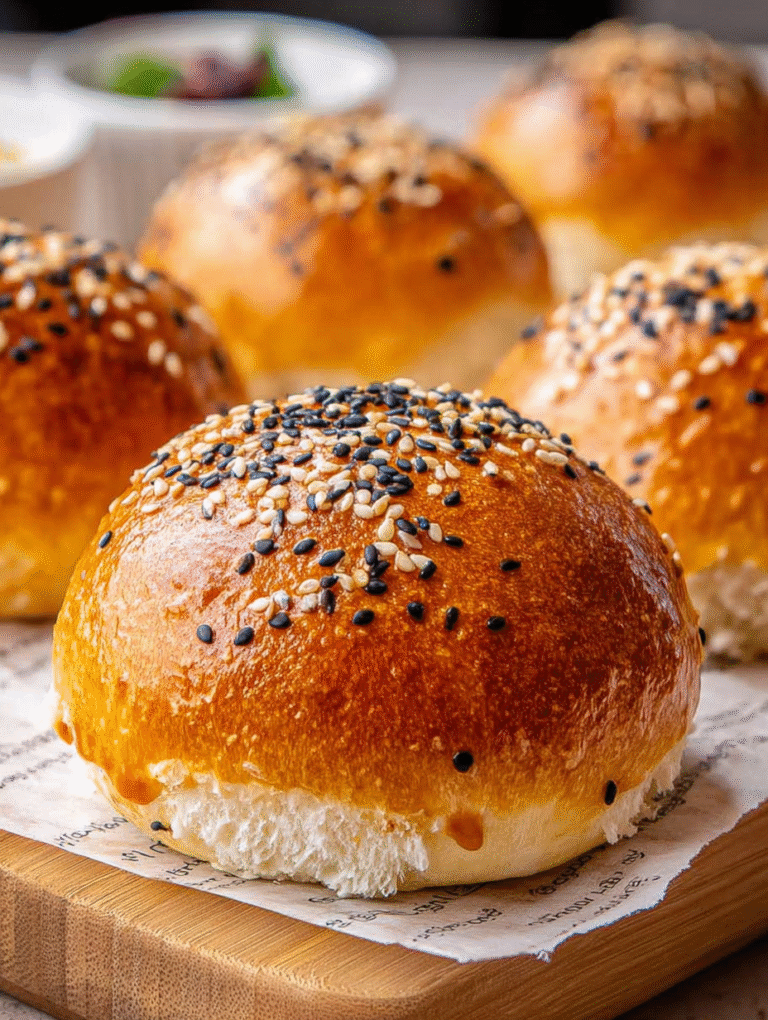
Brioche-Burgerbrötchen
Elevate your next burger! This recipe yields exceptionally pillowy, golden brioche buns thanks to intense, prolonged kneading and gradual butter addition.
- Total Time: 35 minutes
- Yield: 4 servings 1x
Ingredients
- 4 cups (500g) Bread Flour
- 2 1/4 teaspoons (7g) Instant Dry Yeast
- 1/4 cup (50g) Granulated Sugar
- 1 teaspoon Fine Sea Salt
- 1/2 cup (120ml) Whole Milk, lukewarm
- 2 Large Eggs + 1 Large Egg for egg wash
- 1/2 cup (115g) Unsalted Butter, cubed and softened
- 1 tablespoon Sesame Seeds (optional topping)
Instructions
- Step 1: Combine the flour, yeast, sugar, and salt in the bowl of a stand mixer fitted with a dough hook. Add the lukewarm milk and 2 large eggs. Mix on low speed until the ingredients are just combined and a shaggy dough forms.
- Step 2: Increase the speed to medium-low and knead for 5 minutes. Gradually add the softened butter, one cube at a time, until fully incorporated. Continue kneading for 10-15 minutes until the dough is smooth, elastic, and pulls cleanly away from the sides of the bowl.
- Step 3: Transfer the dough to a lightly oiled bowl, turning to coat. Cover tightly and let it proof in a warm place for 1.5 to 2 hours, or until the dough has doubled in size. Gently punch down the dough and divide it into 8 equal portions.
- Step 4: Roll each portion tightly into a smooth, round ball and place the shaped buns on a parchment-lined baking sheet, leaving space between them. Cover lightly and let them rest (second proof) for 45-60 minutes. Preheat the oven to 375°F (190°C).
- Step 5: Whisk the remaining egg with a splash of water for the egg wash. Gently brush the tops of the buns thoroughly, and sprinkle with sesame seeds (if using).
- Step 6: Bake for 15-18 minutes, rotating the pan halfway through, until the buns are deep golden brown. Transfer to a wire rack to cool completely before slicing and serving.
Notes
- Once cooled completely, store the buns in an airtight container at room temperature for no more than two days, or wrap and freeze for longer storage, ensuring they are fully thawed before use.
- To revive buns that aren't fresh from the oven, slice them and lightly toast the cut side on a griddle or in a skillet for 30 seconds to restore the perfect structural integrity for holding a juicy patty.
- While perfect for any classic burger, elevate your experience by using these rich buns for a pulled pork sandwich or a sophisticated grilled halloumi and roasted vegetable stack.
- Don't rush the kneading process after adding the softened butter; continue mixing until the dough truly pulls cleanly away from the sides, as this development guarantees the necessary elasticity and signature airy texture.
- Prep Time: 15 minutes
- Cook Time: 20 minutes
- Method: Stovetop
- Cuisine: American
Nutrition
- Serving Size: 1 Brioche Burger Bun (approx. 100g)
- Calories: 380
- Sodium: 210mg
- Fat: 19g
- Saturated Fat: 11g
- Trans Fat: 0g
- Protein: 7g




Leave a Comment